


Shil (OSM Games), a first-person puzzle VR game set in a surreal world, was localised into nine languages: Italian, French, German, Spanish, Brazilian Portuguese, Simplified Chinese, Japanese, Korean and Lithuanian.
6-minutes read
The game launches in early access on Meta Quest on 8 October 2026, with a Steam release to follow at a later date.
We at 1Stop Translations handled the video game localisation of its dialogue, level names, menus and instructions. This case study looks at the project scope, the linguistic and cultural challenges we met, the workflow we followed, and what a structured multilingual approach means for developers and publishers preparing a game for international markets.
The Shil video game localisation project
Shil is a VR puzzle game that asks players to look at each environment from different angles and uncover hidden passages. Its story moves between mystery, personal memories and witty dialogue. We were asked to localise all of the game’s text: dialogue, level names, menus and in-game instructions.
Shil was localised into nine languages. It helps to be precise about terms. Translation moves meaning from one language to another. Game localisation adapts the content so that it works for a specific linguistic and cultural market, and video game culturalisation goes one step further, checking that references, humour and tone land as the developer intended.
In a game, the difference is practical: a literal rendering of a joke or a level name can be accurate and still fall flat.
Working in nine languages adds its own requirements. A character must sound like the same person in every version, and a term used in a menu must match the one used in the dialogue. With several linguists working on one title, we protect that consistency with shared references and a clear briefing from the start.
Why Shil required multi-market localisation
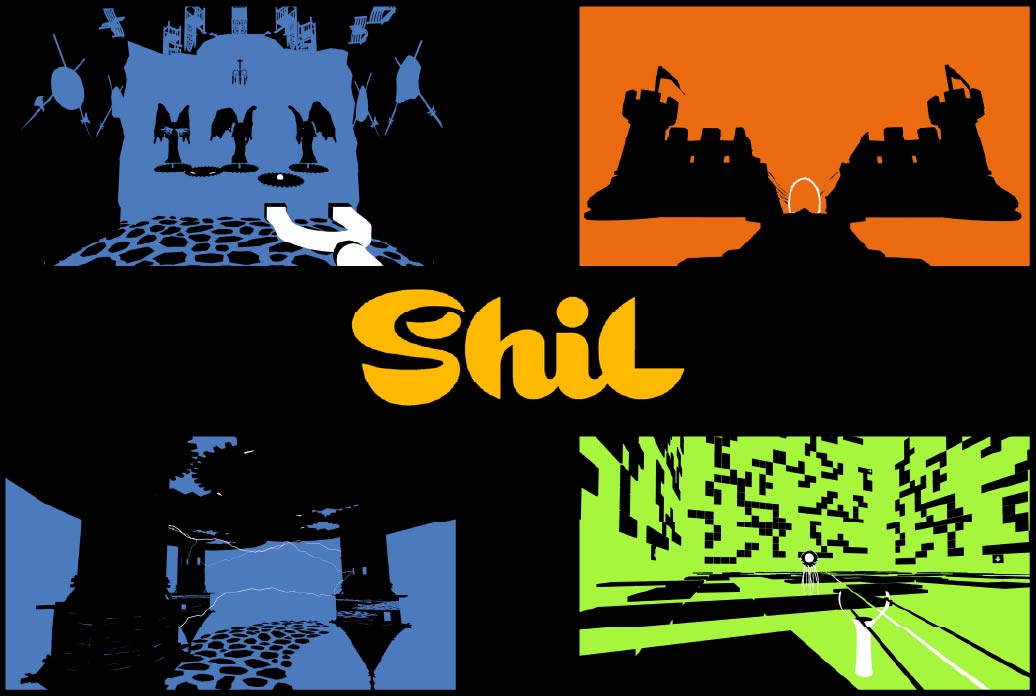
Shil is built on voice and atmosphere. Its humour depends on tone, its story depends on the relationship between characters, and its puzzles depend on instructions the player can understand at a glance. A direct word-for-word translation cannot carry any of that reliably.
Our objective was not to translate the same game nine times, but to preserve the intended experience across nine linguistic and cultural contexts. That means keeping meaning, tone, context, terminology and player experience aligned, whichever language the player uses.
Some differences between markets were directly relevant here. Japanese and Korean have built-in levels of politeness, so the cold, formal tone of the company representative and the casual sarcasm of the protagonist call for deliberate register choices. In Italian, French or German the same contrast is built differently, through vocabulary and sentence structure. The relationship between the two characters had to stay legible in every language.
The linguistic and cultural challenges
Four challenges stood out. Each one is described below in terms of challenge, why it mattered and how we addressed it.
Giving each character a recognisable voice
Challenge: the protagonist is spontaneous and sarcastic, while the company representative is cold and formal.
Why it mattered: the player understands the relationship between the two largely through how they speak.
How we addressed it: we defined the tone of each character before translation began and kept it consistent throughout. In Italian, the protagonist says «Wow. Quel ricordo sembrava davvero reale» (“Wow. That memory felt so real”), while the representative answers with set phrases such as «Mi dispiace. Non possiamo aiutarla» (“I’m sorry. We cannot help you”).
Irony that depends on tone
Challenge: in one conversation the protagonist tries to joke and receives an icy reply: «Il nostro ufficio legale è molto scrupoloso» (“Our legal office is very thorough”).
Why it mattered: the comedy comes entirely from the serious delivery. A friendlier phrasing would remove the joke.
How we addressed it: our linguist first understood the intention behind the exchange, then kept the polite, distant surface of the line.
Level names and wordplay
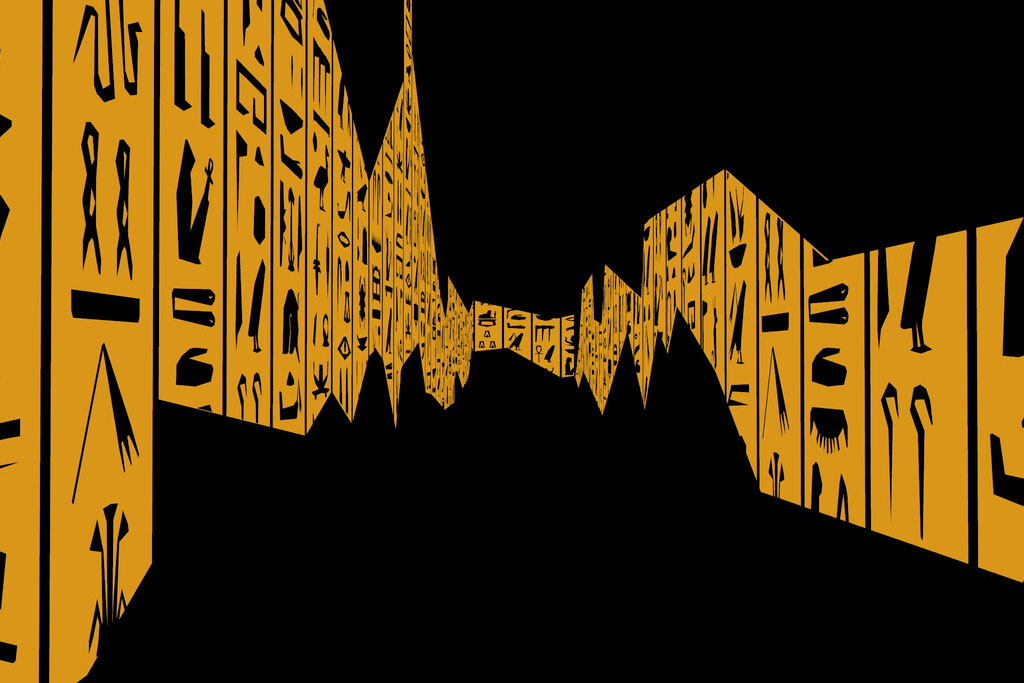
Challenge: level titles often play with sound and double meanings.
Why it mattered: wordplay rarely survives a literal translation, and the names are one of the first things players read.
How we addressed it: instead of translating word by word, we looked for expressions familiar to the target audience that do the same job. The Italian titles «Sulle note di Chopin», which evokes music, and «Colpo di fortuna», which plays on the double sense of colpo and good luck, are two examples.
The same word, a different meaning in context
Challenge: in one memory, a character affectionately calls a puppy “beast”.
Why it mattered: in another scene, the same word could signal fear or aggression, so a mechanical translation risks changing the emotion entirely.
How we addressed it: we translated from the scene, not the isolated word. The Italian line, «Oh, ma che bel bestione!», keeps the affectionate and playful tone.
We bring the same care to menus and instructions, where a clear sentence tells the player what to do next. It is also where our game localisation workflow earns its place: shared glossaries, character notes and a review stage keep dialogue, interface and instructions consistent with each other.
The value of localising an indie game for global markets
Shil shows what taking an indie title into several markets actually requires. The work is not a final translation step after development ends. It is part of international game distribution and market readiness, and it works best when planned alongside the release rather than after it.
The operational value is concrete. That is why we work as one coordinated team across all languages: terminology and character voice stay consistent across content types, and the developer deals with a single partner instead of managing several suppliers. For small studios, that reduces coordination work at a point when time and resources are limited.
Localisation also sits next to quality assurance. Once the text is in the build, a QA video game tester can check it in context: whether lines fit the interface, whether instructions make sense on screen and whether the tone matches the scene. This is the role of gaming LQA (linguistic quality assurance) and gaming FQA (functional quality assurance), and an FQA video game tester can pick up on issues that never appear in a spreadsheet. As a one-stop partner covering localisation, culturalisation, LQA, FQA and market readiness, we keep these steps connected.
Publishers and localisation managers will recognise the lesson. In our experience, consistency and context are easier to protect when one team sees the whole picture.
From localisation to global game readiness
Shil is a first-person puzzle game, and its text now reaches players in nine languages: Italian, French, German, Spanish, Brazilian Portuguese, Simplified Chinese, Japanese, Korean and Lithuanian.
Our aim was simple: players should find the characters, atmosphere and enjoyment of the game in their own language.
If your studio, publishing team or localisation department is planning multilingual expansion, we would be glad to talk through your project.