
An Overview of New Horizons: African iGaming Markets
African markets have attracted a growing number of iGaming investors in recent years, as the region offers both short-term and long-term potential, with a market that is still developing.
5 minutes – read
This increasing interest is largely due to the continent’s consistent economic growth and the rising accessibility of mobile devices. The willingness of local governments to establish a controlled legal environment for the gaming sector, which assists in generating new local tax revenue streams, has also supported the continent’s positioning.
 Light up new horizons
Regulations overview
The expansion of the African iGaming sector is driven by both technological developments and regulatory frameworks. According to their level of gambling regulation, African nations can be categorised into three main groups:
- Countries with market regulations
- Countries with no market regulations
- Countries where gambling is prohibited in all forms
Countries in the first category have attracted recorded investments in the iGaming sector. As a result, tax revenues have increased, providing funds that can be reinvested into other industries.
The first country to legalise gambling was South Africa, and following its implementation, other nations have adopted similar frameworks. Consequently, the iGaming sector has experienced measurable growth in Uganda, Kenya, Tanzania, Ghana, and Nigeria. These nations have increased state revenues through gambling taxes while regulating the activities of offshore corporations operating in the online casino segment.
The big three

While the sector is expanding across the continent, three nations are identified as Africa’s primary gambling markets in 2022: South Africa, Nigeria, and Kenya.
Nigeria
In 2021, Nigeria had the largest GDP in Africa, equal to $441 billion USD. Moreover, the country has the highest population on the continent. In Nigeria, gambling was made legal in 2004, and the first online casino opened in 2013.
The National Lottery Regulatory Commission issues licences to both online and land-based gambling businesses. The prevalence of sports betting, particularly on European football, has increased alongside the proliferation of mobile connectivity and payment methods.
Furthermore, data suggests that a significant percentage of Nigerians between the ages of 18 and 40 participate in betting activities regularly. However, certain games, such as poker, roulette, and dice games, remain prohibited in Nigeria.
South Africa
South Africa ranked second in 2021 with a GDP of $420 billion USD. Business endeavours, including iGaming operations, focus on the nation appealing due to the size and stability of its economy.
Online lotteries, live dealer games, and sports betting are widely regulated in the area, but online casinos are not permitted unless they are operated by legally recognised land-based bookmakers.
Therefore, without many domestic options for online casino games, users frequently turn to offshore platforms. A large segment of sports bettors in South Africa, representing approximately 50% of the adult population, places wagers on a monthly basis. In this regard, investors often consider this market as a strategic option for the development of online sportsbooks.
Kenya
Most forms of gambling are legal in Kenya, and a substantial number of new online casinos have been established recently. The nation was among the first to develop of interactive platforms, with measurable user traffic directed towards online casinos.
The scenario in Kenya’s gaming market is comparable to that of Nigeria, but given its smaller population (47 million), the scale of growth differs. Sports betting, especially on football, has a high penetration rate in Kenya. However, due to recent legislative changes, some major international firms have exited the market, potentially creating a void that could be addressed by new operators.
Growth opportunities
The demographic profile of the continent, featuring a high proportion of young adults, is a relevant factor for the online gaming sector and the enhancement of mobile user experiences. The majority of iGaming participants in Africa are between the ages of 18 and 35.
Complex regional bureaucracy can present challenges for the iGaming sector operating in Africa. Nevertheless, these factors are balanced by ongoing regulatory developments, the scale of the markets, and the widespread participation in betting.
Overall, the younger demographic demonstrates recorded engagement in betting activities and broad access to the internet, indicating market capacity across the region.
Payment methods
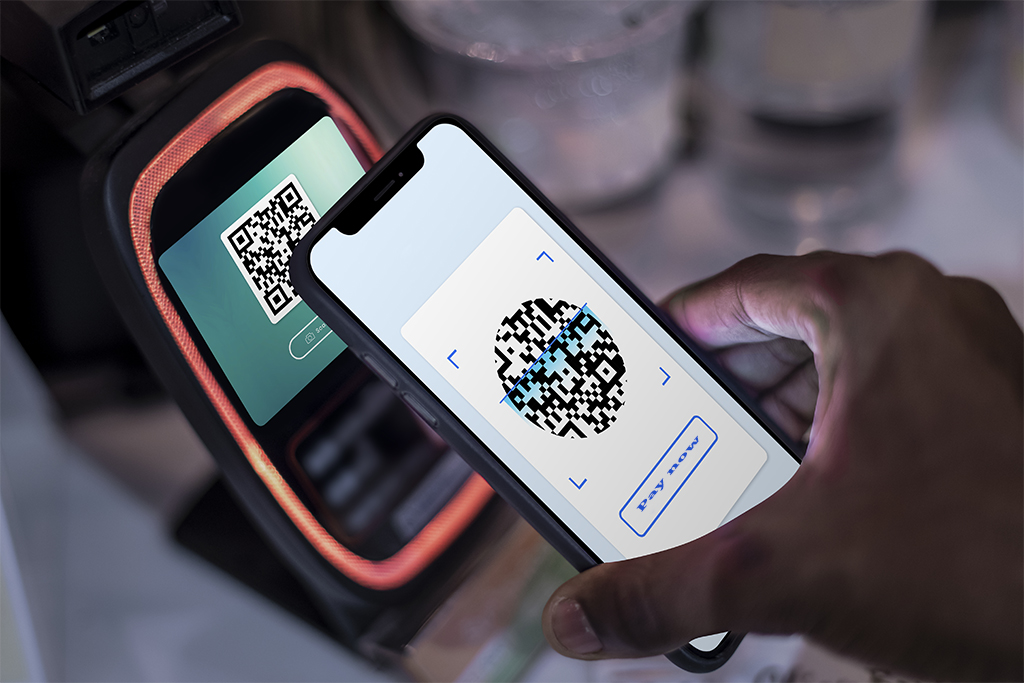
In Africa, mobile payments are the most prevalent transaction method. Many individuals do not hold accounts with traditional financial institutions; in other instances, some banks restrict transactions related to gambling.
Mobile solutions bridge this gap, much like they do for internet connectivity. For example, Kenyans without access to standard bank accounts utilise Vodafone’s M-Pesa service, which enables users to process payments through their mobile network operators.
This solution is widely recognised across East African nations, including Tanzania and Uganda. The three most utilised payment processors in the region are MTN, AirtelTigo, and Vodafone.
 To now more about NFT read our article
The importance of localization
Africa is a vast continent, featuring a wide variety of cultures, languages, financial requirements, and betting preferences. Therefore, operators aiming to operate effectively in this diversified and evolving industry must incorporate these elements into their strategic planning.
Looking at the linguistic aspect, it is important to note that Africa has over 1,000 languages. Aside from English, the most spoken include Swahili, Amharic, Yoruba, Oromo, Hausa, Zulu, Shona, Arabic, French, and Portuguese.
Consequently, offering a platform in multiple languages, or at least the most commonly used ones, is essential to ensure an accessible user experience for a broader audience. Not all companies have the internal resources for this, making collaboration with specialised language service providers necessary for operational purposes; specific expertise is required to manage and select the appropriate languages to firmly establish an operator’s presence.

Conclusion
Following the examples of Kenya, Nigeria, and South Africa, several African nations are working to enact gambling-related frameworks and regulations.
Governments throughout the continent are recognising the potential financial benefits and investments associated with proactively implementing gaming legislation.
The growing demographic of young adults, the high penetration of sports betting, the availability of affordable mobile devices, and the rollout of 4G and 5G networks are all factors that could accelerate the ongoing evolution of the African gambling industry. These elements make the market a strategic focal point for international operators and investors aiming to expand their global footprint.
Do you need help to get started or to further your existing link building strategy? Contact us for a consultation or request a video call with our team.
Disclaimer: This article is provided exclusively for informational, educational, and B2B analytical purposes. It does not constitute legal advice, corporate marketing inducement, commercial solicitation, or an endorsement of gambling activities. All insights are directed strictly at industry professionals examining global regulatory frameworks.
Need a quote? Click here