
FQA and LQA on Tessera Studios’ The Zibbo Show: Video Game Localisation in Practice
A translated script can read perfectly on the page and still fall apart the moment someone actually plays the game. A button label that no longer fits after translation. A UI string that overruns because German text runs longer than English text. A card effect that triggers the wrong feedback because the person testing it never saw it in context.
5-minutes read
This is the gap between straightforward translation and genuine video game localisation, and it’s why functional and linguistic testing need to run side by side rather than one after the other. Here’s how we approached both for The Zibbo Show, the upcoming dice-and-deckbuilding title from Tessera Studios, across five markets: German, Spanish, French, Italian and Brazilian Portuguese.
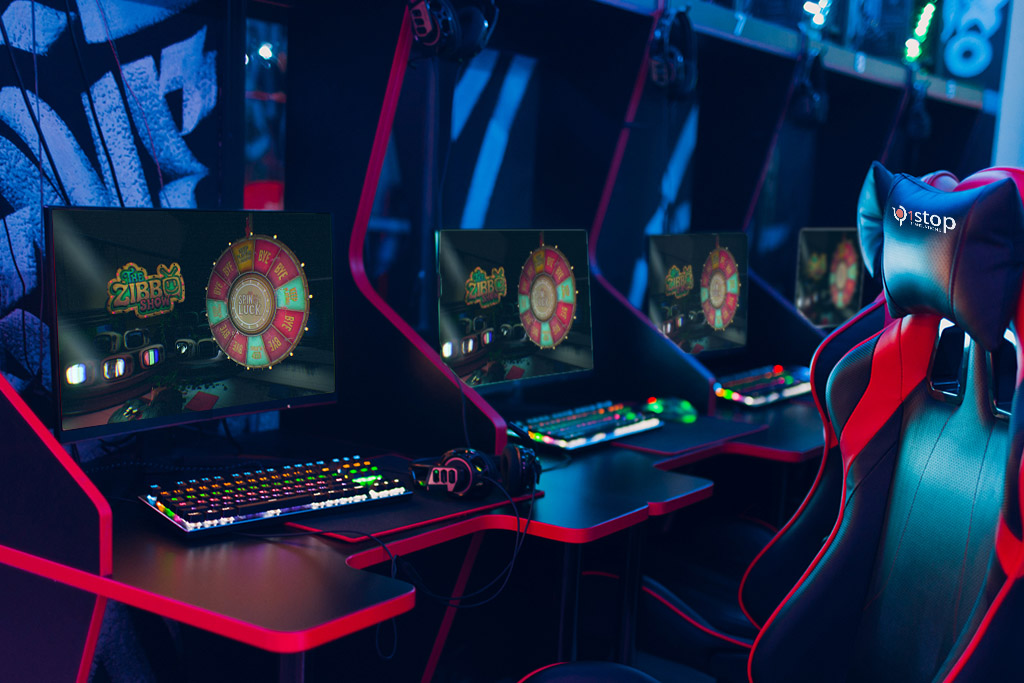
What Functional QA (FQA) Actually Checks and Why It Is Separate from Linguistic Testing
Functional QA asks a different question from the one asked in linguistic testing. While linguistic review checks whether a translation is accurate, FQA checks whether the localised build still works and whether every string, button and interaction behaves correctly once it is placed inside the game rather than viewed in a spreadsheet.
It is a discipline in its own right, and it is where many localisation problems surface, long after the translation itself has been approved.
For The Zibbo Show, our video game FQA services covered exploratory and functional testing, usability testing, localisation testing and controller compatibility testing, backed by a structured bug-reporting and retesting cycle for every issue our testers logged.

Because the game bases scores and rewards on stacking dice and card effects, we paid particular attention to booster behaviour and effects, ensuring that a card’s stated effect and its actual in-game outcome always matched in every language.
UI consistency and input methods were checked layout by layout and control scheme by control scheme. We repeatedly tested transitions throughout the game flow to catch anything that broke between one screen and the next.We also deliberately pushed the build into edge cases, including a zero balance, invalid states, and early or out-of-sequence input. These are situations that a normal playthrough might never reach but a curious or unlucky player eventually will.
This is the unglamorous, detailed work that a video game QA tester actually does, and it is every bit as important as the translation itself.
Localisation QA Across Five Markets: DE, ES, FR, IT and PT-BR
Where FQA checks that the game works, LQA checks that it reads, sounds and feels right in each target language: the linguistic accuracy, tone and in-context fit of every translated string.
Running video game LQA across German, Spanish, French, Italian and Brazilian Portuguese for one title means running it five times over. What sounds natural in Spanish does not automatically work in Brazilian Portuguese, and a German UI string is routinely longer than its English source. This becomes a real problem when the string has to fit inside a card that was never designed with that in mind.
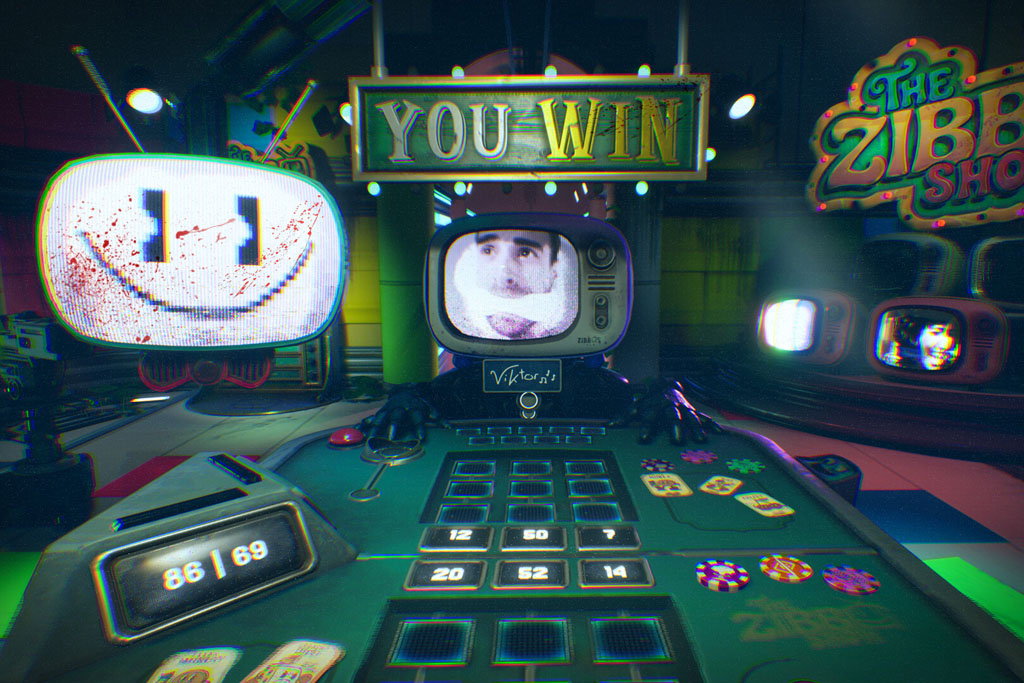
This is also where video game culturalisation comes in, and it is a different task from translation. It means checking that references, tone and humour have the intended effect in each market, not just that the words are correct. In a game built around escalating stakes, sharp combo text and a UI that must be read quickly, there is very little room for a clunky or overly literal line, and players notice such issues within seconds.
Our video game LQA services on this project involved native linguists testing within the actual build and flagging anything that read correctly out of context but failed once it appeared on screen.
Why We Treat FQA and LQA as One Process, Not Two Vendors
Studios often split functional and linguistic testing between separate suppliers, and the gap between them is exactly where bugs slip through: one team may misclassify them as translation issues, while the other may consider them out of scope.
We don’t work that way. We run LQA and FQA as one connected process, with a single team accountable for both. This approach underpins what we call our Red Pill Framework: treating localisation as a fully integrated discipline rather than as a checklist handed between vendors.
It is also why we built 1Stop Translations to be a single partner for the full range of services a studio actually needs throughout a game’s lifecycle: LQA, FQA, culturalisation and, further downstream, influencer marketing and community work that help a launch succeed once the build itself is solid.
None of that works without people who understand games, not just languages: testers who play the way a real audience would, and linguists who know the difference between a technically correct line and one that genuinely sounds as though it belongs in the game.
Getting It Right Before Launch
Good localisation is mostly invisible. A player who never notices a translation is, by definition, one for whom it worked.
That is the standard to which we held The Zibbo Show. It is the same connected approach that underpinned the localisation QA work that helped Big Hops secure a Metacritic score of 78, and the same standard we bring to every title we work on, regardless of the genre or the number of markets in scope.
If you are planning a multilingual launch and want to talk through what FQA and LQA would look like for your game, we would be happy to have that conversation.
Need a quote? Click here